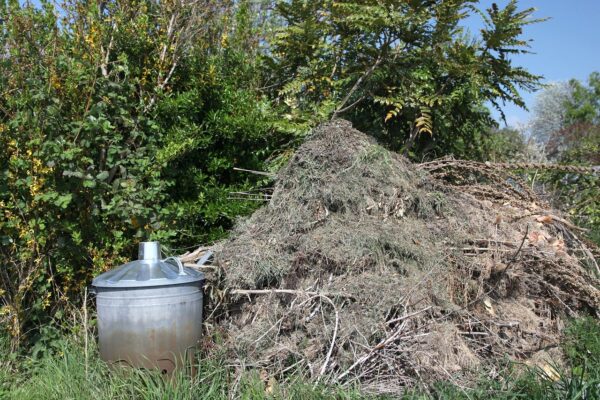
QUESTION: Can you put corks in compost? We like to drink wine and hate to throw away the corks if we can recycle or reuse them in some way. – Mark R
ANSWER: Real corks are actually compostable, but you’ll want to double check that your cork is the real deal—natural cork, which is made of the bark of the cork oak tree—and not an artificial alternative, like plastic. Artificial corks can be very convincing, so look yours over carefully.
You’ll need to break the cork down into smaller bits, not only so it will decompose more quickly in your compost but also because corks are impermeable. One tip is that you can use a blender to crumble them up. Should you decide not to compost your corks, as an alternative, you can use them as mulch as long as they’ve been ground up.
Unfortunately, if you just have them in the original cork shape at their full size they will take years and years to break down.
QUESTION: How do you accelerate compost? Our compost bin seems to take forever. I’d really like to actually use the compost faster.
ANSWER: Making your own compost is great because you can toss trash like leaf clippings and kitchen scraps into a pile and come out on the other side with nutrient-rich compost that can be added to your garden soil.
Depending on the size of the pile you create, what you throw in, and how often you tend to it, the composting process can take anywhere between three months to two years. If you need compost quickly, however, there are a handful of things you can do to speed along the process so that you can get your hands on some compost quicker than usual.
First, make sure that you size your pile correctly. Piles that are sized around three square feet and three feet high tend to get hotter quicker. A correctly proportioned pile can get up to 140 degrees F. The high temperatures are a result of rapid microbial action and a hot pile is a good sign that your microbes are performing their task of breaking down your compost at top speeds. Smaller piles and larger piles simply don’t heat up as quickly as a well-maintenanced pile that is sized correctly.
Stirring up the mixture manually will also do a lot towards speeding up the decomposition process. Microbes require oxygen to break down compost, and turning the materials in your pile once per week will help improve the air circulation and provide the oxygen that your microbes need to do their work quickly. If you are not able to turn the pile, you can aerate it by poking around in the pile using a pitchfork.
Another way to make sure that your compost is breaking down at a fast rate is to make sure that the mixture inside your compost pile is balanced properly. For speedy decomposition, your pile needs to have a carbon to nitrogen ratio of around 20:1. In other words, you should have twenty pounds of carbon-rich material for every one pound of nitrogen-rich material.
Carbon-rich materials include shredded paper, dry leaves, saw dust, corn stalks, and other typically brown compost materials. Nitrogen-rich materials include kitchen scraps, fresh cuttings from your garden, seaweed and alfalfa hay. You can also boost the speed of your pile’s decomposition by adding in an organic activator, such as Super Hot, which is made of nitrogen and micro-organisms that are hungry and ready to process lots of organic material into nutrient-rich humus.
Another key factor in speeding up your compost pile is making sure that moisture levels stay evenly damp throughout the pile at all times. Water is a key component to processing compost, but you only need a little bit to get the right moisture levels. Ideally, the pile should be slightly damp, but never soggy or waterlogged.
The more you shred the contents of your compost before adding them in, the faster the particles will break down. It makes perfect sense that smaller particles will decompose faster than larger ones. Use a knife or tear up kitchen scraps by hand before adding them into the compost. If you really want to speed the process up, you can even use a blender to process your kitchen scraps before adding them to the pile.
Use a leaf shredder or your lawnmower to chop up fallen leaves before adding them into the mix. The microbial activity can be improved by adding in nitrogen-rich manure, however, some new strains of bacteria have caused people to move away from adding in manure. Alfalfa meal and soybean meal can be added in instead for a high-nitrogen alternative with no risk of spoiling the pile with bacteria.
QUESTION: Can you compost chips? I found an entire case of them in a dumpster behind our local grocery store, but they were too stale to eat. – Rick A
ANSWER: Almost everything out there that is organic can be composted, including leftover chips. (Why are getting expired food from a dumpster, by the way?) In that rule of thumb, the word “organic” is use to mean anything that comes from nature and is not manmade—not necessarily “organic” as in the more eco-friendly and more expensive option for groceries. If you plan to use potato or tortilla chips or some other type of chips in your compost, keep reading for a few tips and bits of information you should know.
Just like your potato peelings and other scraps from cooking with tubers, potato chips (or other types of chips) will function as a “green” material that provides the compost with nitrogen.
Lots of pest animals would gladly scale the walls of your compost bin for an opportunity to munch on some tasty chips, so make sure to bury the chips you use in your compost. Don’t leave them resting on the surface or even too near to the top of the pile, or the local wildlife will be able to smell them.
Don’t forget about how greasy chips are. Grease is one of the foods you should never add when it’s in its purest form. (The others are meat, dairy products, and fish.) Take care to utilize chips in your compost only in moderation, and don’t put too many into the compost, or you can experience the same problems you would if you added pure grease. The forbidden ingredients aren’t used in compost because they can make the bin smell really badly, and it’s common for these materials to also attract local pest animals.
When you’re adding chips to your compost pile, crush them a bit so that they decompose more quickly and will finish breaking down at the same rate as the other ingredients you’re using.
QUESTION: How do you rejuvenate old compost? We have an old pile that has been sitting here for approximately five years or more that we never used. – Frank S
ANSWER: It’s fine to use old compost, and it will increase the quality of your soil just the way it is. It’s possible that some of the benefits have washed away in the rain, and the material itself is more compressed than the loose, newer compost you’ll get when it is just finished. To freshen up old compost, you can add in ingredients that will replace lost nutrients and improve soil structure.
Here are the most commonly used ingredients that can be added to your old compost to rejuvenate it for the upcoming growing season. Adding one or more of the following will redeposit essential nutrients and improve the structure of the soil. Each item description also includes suggestions for how much to add and information on where you can find these ingredients for purchase:
Worm Compost – Worm compost is one of the most common ingredients used to rejuvenate old compost. It’s rich in the major nutrients and trace elements that plants require to thrive and it is teeming with beneficial soil life. If you have the space and time, making a wormery, or vermicomposting system is a great composting alternative which will give your garden a boost. Add around 10% to the soil when growing for salad greens, or up to 50% when growing heavy feeders like squash or tomatoes. Be careful not to overdo it, as worm compost is often very rich. You can always add more, but reducing the amount you have added is much more complicated. If you have many pots and containers, you may realize that you can’t make as much worm compost as you need to give each container the right amount, but luckily, even adding a small amount to each container can make a huge difference, as worm compost is very rich in nutrients. Learn how to start your own vermicomposting system here [https://www.gardeningchannel.com/vermicomposting-how-to-start-worm-farming/].
Home Made Compost – Ideally, everyone who cooks at home should have a home composting system, even if they are not avid gardeners, as composting your kitchen scraps is a great way to cut down on your carbon footprint by reducing your output of waste while simultaneously creating something useful. If you have lots of outdoor space, you can make your own compost system outdoors by creating a compost bin or pile. Add home made compost to your old compost just like you would worm compost but in slightly higher amounts, as home made compost is less rich than worm compost. Learn how to start your own home composting system here [https://www.gardeningchannel.com/a-guide-to-composting-in-an-apartment/].
Bokashi – The Japanese composting method that uses effective microorganisms to quickly break down vegetables is known as bokashi. Bokashi systems take up less space than a wormery and work faster than a compost pile to create usable materials. Bokashi is a great way to compost at home, and can be done either indoors or outdoors. The end result of bokashi composting is pickled, partly decomposed vegetables. Mix in between 10% to 30% bokashi vegetables into your old compost and allow several weeks for them to break down further before planting or add bokashi veggies to the bottom of the pots before filling them with old compost and allow the bokashi to break down during the growing season. You will need a bucket with a lid and some bokashi bran to get started making your own bokashi composting system. Learn how to start your own bokashi composting system here [https://www.gardeningchannel.com/learning-the-bokashi-composting-method/].
Manure – Manure, or composted animal waste, is packed with beneficial soil life and contains the majority of essential nutrients that plants need in moderate quantities. The drawback of using manure to rejuvenate old compost is that it varies greatly in quality, so it’s hard to know exactly how much to add. Manure also needs to be checked to make sure that it is well rotted and that it comes from animals that are not fed with antibiotics and that are farmed organically in order to use it safely. It shouldn’t smell like animal waste, but instead, should smell more like regular garden soil. Look for brands of manure that have been used by other gardeners and are recommended. Test it out in one or two containers before adding it to all of your pots if you are unsure of the quality. Either make a mix of well rotted manure and old compost, or toss a layer in the bottom of your pots or add a layer to the top of your pots halfway through the season. The latter method is great for heavy feeders like squash or tomatoes which need lots of nutrients added to the top six inches of the soil throughout the growing season. If you are worried about how well rotted your manure is, either leave it in the bag to continue rotting or put it in the bottom of a big pot so that it can decompose slowly. Depending on the feeding requirements of the crop you are planting and the strength of the manure you have, add between 15% to 50% manure to your old compost.
Green Waste Compost / Municipal Compost – Green waste compost is made from grass clippings, prunings and green food waste. The final product can have a wide variance in quality, but is often quite high in nutrients and usually ideal for rejuvenating old compost. Mix in 15-50% depending on how rich of a mix you are shooting for, or add a layer to the top of your containers to allow the nutrients to slowly work their way down. You will want to combine green waste compost with worm compost or manure, as green waste compost is generally low in soil life. Call your local recycling center or community growing projects to see if they have any excess green waste compost on hand. Places like these often have more than they can put to use and will give it away or sell it cheaply. You can also find it for sale at some nurseries or garden centers.
Shop Bought Compost / Grow Media – There are many different brands of potting compost, or multipurpose compost which can be purchased at garden centers and nurseries or online as a more reliable alternative to green waste compost. Though obviously more expensive than making your own, store bought compost is guaranteed to be loaded with all of the vital nutrients and trace elements that your plants need to thrive. Use it in the same manner that you would green waste compost by mixing it into your old compost or adding a layer to the top of your old compost like you would mulch.
Chicken Manure Pellets – High in nitrogen, chicken manure pellets are a great way to rejuvenate old soil that you intend to grow salad greens and leafy vegetables such as spinach or kale in. Avoid using when growing fruiting crops, or only use in moderation for fruiting crops as the high-nitrogen content will make your plants focus on leaf growth instead of fruiting. Follow the directions on the package to get a good idea of how much to use per container. Generally, a handful or two of chicken manure pellets should be added to a window box-sized container. You can find chicken manure pellets in most gardening centers and nurseries or you can just order it online. Make sure that you purchase pellets that are from organic reared chickens.
General Purpose Organic Fertilizer – If you don’t have access to any of the ingredients listed above, simple general store bought fertilizer can be very useful to help raise nutrient levels in old compost or potting soil. When reusing old composts, you will want to use a balanced fertilizer, such as a 5-5-5. Try to avoid using any fertilizer that is any stronger than an 8-8-8. A good general purpose fertilizer to use is blood, fish, and bone. There are vegan alternatives too, though they are harder to find (Fertile Fibre is one company that produces vegan fertilizers). Mix your fertilizer into the soil before planting using the guidelines on the label as a starting point for how much to add. Observe the results, then add a bit more or less depending on your findings the next time around. Alternatively, you can put a sprinkle of your organic fertilizer on the top of the soil to top up nutrients as your plants start to grow. General purpose organic fertilizers are available at all gardening centers and nurseries, or you can order them online.
BioChar – Finely ground charcoal, or biochar, is great for improving the structure and water retention capabilities of your growing mix. It won’t add any nutrients to your old compost, but it will help improve the structure, which is just as important when old compost starts to break down and lose its ability to provide good air circulation for developing roots. Biochar needs to be charged with nutrients before being added to your pots. You can purchase it charged or you can add it to your wormery or compost heap. Add 5-15% to your pots to improve structure and water retention. Buy biochar for growers from gardening centers, nurseries, or online. You can use raw, untreated biochar to put directly into your wormery. You can use barbeque charcoal or artists charcoal as well, but make sure that the wood is from a sustainable source and be prepared to crush it into small pieces before adding it to your old compost or potting soil mix. Learn more about using biochar here [https://www.gardeningchannel.com/ultimate-guide-biochar/].
Rock Dust – Rich in trace elements and minerals, rock dust is simply ground up volcanic rock. Like BioChar, it will not provide basic nutrients, so it must be paired with another amendment to rejuvenate the nutrient content of your old soil. Rock dust helps reconstitute the structure of old compost, providing better air circulation and water retention, as well as benefiting soil life, but it needs to be paired with something that will give your plants the nutrients they need to thrive. It can also contribute to both plant health and flavor. Mix 5-10% into your old compost. You can find rock dust at most gardening centers and nurseries or order it online.
You don’t need to have all of these ingredients, or anywhere near all of the ingredients listed to amend your old compost. Just one or two from the list should be plenty, so focus on what you have on hand or what is easy to find in your area, or which amendments you would prefer to use. If you are not already composting, you should start doing it right away, as it is a great way to benefit your gardening efforts while also reducing your carbon footprint and saving yourself some money all at the same time. If you are already composting, you might want to start your own worm compost or bokashi compost system too. Use the suggestions listed here as a guide when amending your old compost, but keep experimenting and perfecting the technique as you go.
QUESTION: When you should add compost to your garden? We have some finished compost now, but it’s the end of the gardening season already. -Margaret A
ANSWER: With compost that you make yourself at home which is fully decomposed, the nutrients are more readily available to plants and can be added onto just-planted garden beds or soon-to-be-planted garden beds directly. For many small operation, backyard gardeners, bagged compost is the easiest option and most available product.
If you’re using bagged compost, add in one to two inch layers in early spring. Early March is a great time to add compost to the garden beds, before planting starts. Dig in lightly with a bow rake, and leave the compost to settle for a week or two before you plant seeds or starts.
When using homemade compost or if compost is thick with green matter and fibrous, it can be added to garden beds in autumn, so that it has more time to decompose before spring planting time occurs. You should also let chicken manure cure and age before seeding or planting directly, which can take some time.
With luck, the compost you mixed into your garden beds in autumn will be mostly decomposed by spring and beds should be ready for planting. With backyard compost, get into the practice of adding 2-3 inches of new/fresh compost in the autumn (instead of planting a cover crop) so that the compost can decompose over winter and into early spring.