Blog

Can compost dry out?

too dry to compost

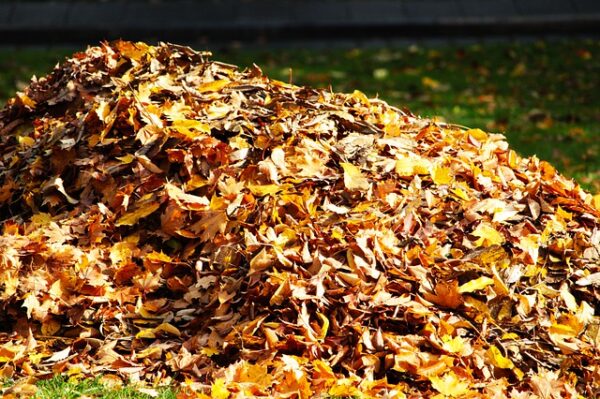
QUESTION: Can compost dry out? It’s supposed to be kind of moist, right? My pile right now just looks like dried leaves pretty much. -Earl J

ANSWER: Yes, your compost can dry out. Keeping a steady moisture level in your compost is one of the most important factors in keeping your compost healthy and active. The ideal moisture content for your compost pile is 40 to 60 percent by weight.

When the moisture level drops below 35 to 40 percent and your materials dry out, most of the creatures that aid in decomposition either die or become dormant.

To check the moisture content of your compost just squeeze a couple of handfuls of material from different areas of your compost. If it feels damp, like a wrung out sponge, the moisture levels are good. If it doesn’t feel damp, it’s time to add water to your compost.

When the compost is too dry, that often can also mean that you have too many carbon rich materials like leaves, as you have described. Adding more green, nitrogen rich materials like fresh grass clippings, coffee grounds and fruit and vegetable scraps can help even out the mix of materials and add moisture. Take note that if you add too many nitrogen rich materials, you can have the opposite problem and end up with a mushy, stinky mess. It’s all about balance.

Can compost burn your lawn?

QUESTION: Can compost burn your lawn? I have a pile of finished compost that I’d like to spread over the yard. – Blake C

ANSWER: If the compost from your compost pile is totally composted, then it should be no different than adding soil and is fine to spread on the grass.

However, if your compost isn’t quite finished yet and is still “hot” it can burn your lawn or plants with compost’s organic materials. Also, putting too much composted cow manure on your lawn can also burn the grass because of its high nitrogen levels. Unfinished compost can also burn sensitive seedlings, so you don’t want to add it to your garden unless it is the end of the season or you are sure it is totally finished.

Can you put baking soda in compost?

baking soda in your compost pile?

QUESTION: Can you put baking soda in compost? I have a big box of it that is expired and I’m also wondering if it might help with any smells like when you use it in the refrigerator. – Frances N

ANSWER: Especially if your compost heap has developed an unsavory aroma, you may be tempted to add baking soda to bring the smell back into the neutral zone, but don’t give in to that temptation. (By the way, any stench coming from your compost indicates a problem with moisture level or the balance of brown and green materials—unless you’ve been adding the forbidden materials of meat, fish, grease, or dairy products).

The reason baking soda works to neutralize odors is that it kills the microbes and fungi responsible for producing it. In composting, killing off microbes equates to certain death for your compost pile. After all, it’s those microbes that do all the work of breaking your ingredients down into nutrient-rich compost for your garden. So just ignore the tips you may have run across online that tout baking soda as an odor reducer for the compost bin.

If you were considering composting with baking soda due to odors, you should instead address the problem by correcting whatever is producing the stench. If your compost bin is putting off a smell similar to ammonia, the culprit is an overabundance of wet “green” materials heavy in nitrogen.

To address this problem, start by propping the lid of your compost container open on a sunny days so the sun can help you dry things out. If that doesn’t do the trick and things are still too moist, you can take the compost out of the bin and spread it out in a single layer to dry. You should also add in some drier “brown” ingredients that are rich in carbon, such as dried leaves, shredded newspaper, or cardboard. 

If the smell you’re dealing with is a putrid one, like the smell of sulfur or rotten eggs, there could be a few possible explanations. If you’ve been including meat, fish, grease, or dairy products in the compost, there’s your culprit. You should not compost these materials because in addition to being stinky, they can bring in hungry wildlife.

If you haven’t been using these off-limits ingredients, then the smell is due to a shortage of oxygen in the compost, which causes a growth surge of anaerobic bacteria. First, turn the compost thoroughly with a shovel, pitchfork, or compost turner tool to aerate the pile and allow oxygen to circulate. You’ll also need to mix in some more “brown” ingredients full of carbon, such as leaves or shredded newspaper and cardboard.

Can you put butter in compost?

don't compost butter

QUESTION: Can you put butter in compost? We use butter on our potatoes and bread, and I wonder if that means we have to throw those things out instead of compost the leftover scraps? – Margaret B

ANSWER: Butter is a form of fat, and things like fats and grease should not be composted in general. (Neither should meat, fish, or dairy products. These items will stink up your composting area and also draw in pest animals.

However, a little bit of butter spread on a roll or potatoes with some butter on them probably won’t cause you a problem. But it’s better to refrain from tossing straight butter, whether melted or solid, or from adding large amounts of butter to your compost or you’ll end up with problems.

Can you put cooked potatoes in compost?

cooked potatoes are ok to compost

QUESTION: Can you put cooked potatoes in compost? We’re new to composting and I don’t really understand the difference between cooked and raw. Does it make any difference? – Richard W

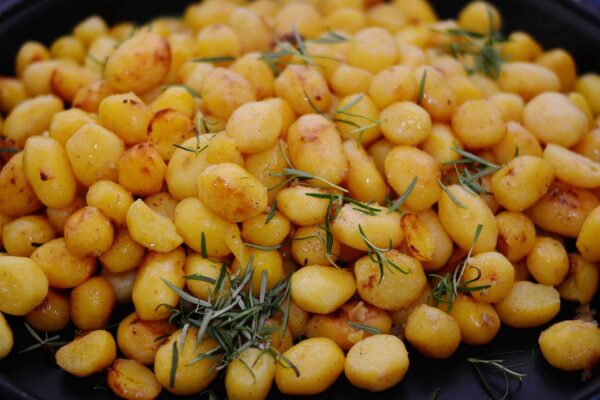
ANSWER: Cooked potatoes can be safely used in composting, and potato peelings left over after cooking are an especially popular ingredient. Potatoes will add the nutrients nitrogen, phosphorus, potassium, and magnesium to your compost.

However, cooked potatoes can be very attractive to the kinds of pest animals you don’t want stopping by to visit your compost in, so make sure not to simply drop the potatoes in and let them stay on top of the pile. Instead, bury the potatoes a bit so they’re underneath a layer of other materials. This trick will hide their scent from any opportunistic wildlife like rodents, or even your own dog! Pets can figure it out pretty quickly if there are tasty treats in your pile.

Before adding potatoes or bits of potatoes to your compost, you need to be absolutely certain they don’t carry potato blight, or you risk passing the disease on to your crops. Look for dark patches on your potatoes, or eventually, spoilage that starts at surface level with the skin and progresses toward the center.

If these are potatoes that you bought at the grocery store, you don’t have any worries here. It’s just when you are composting plants that have come out of your own garden, you want to make sure to avoid composting diseased plants because they can often cause the disease to spread.